



The Spiritual and Mental Benefits of Meditation

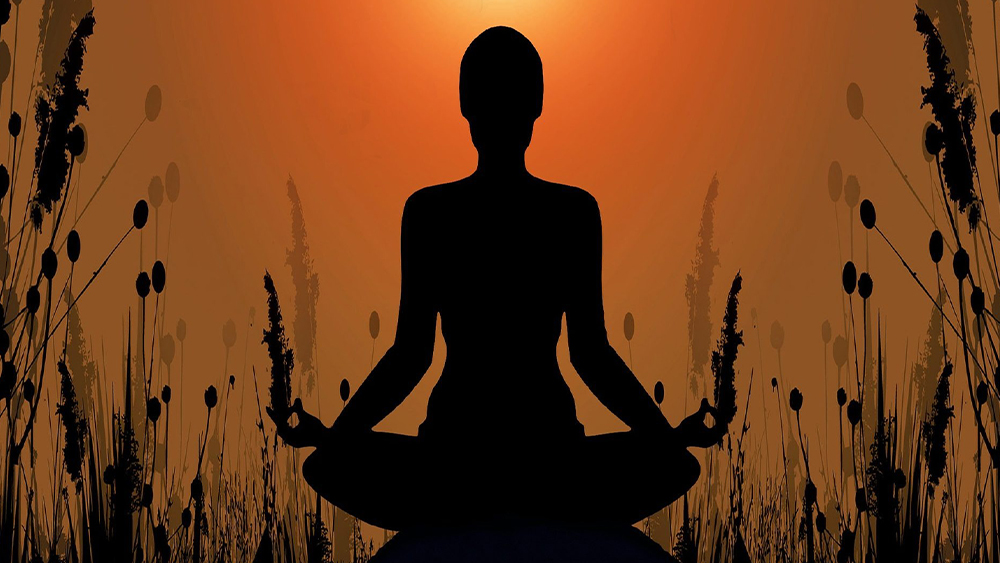
The pace of modern life keeps the human mind constantly busy. Thoughts flow nonstop throughout the day, and the mind drifts between the past and the future. Amid this intensity, it can be difficult to hear one’s inner voice. Meditation steps in at precisely this point. Meditation is not about silencing the mind; it is about learning to observe it.
The practice of meditation, passed down from ancient teachings to the present day, is not merely a spiritual ritual but a powerful tool for supporting mental balance. When practiced regularly, it creates noticeable changes both within a person’s inner world and in their daily life.
What Is Meditation?
Meditation involves consciously directing attention to a specific point and learning to stay present. This point could be the breath, a word, an image, or simply a state of awareness. The goal of meditation is not to eliminate thoughts but to observe them without getting caught up in them.
Many people think of meditation as “emptying the mind.” In reality, meditation helps understand how the mind works, fostering inner calm over time.
The Origins and Universality of Meditation
Meditation has been part of diverse cultures and teachings for thousands of years. In Eastern philosophies, it is seen as a core tool for spiritual awakening. Today, modern psychology and science also recognize its mental benefits.
Its universality lies in its accessibility to human nature. Meditation does not require a particular belief system, location, or tool. Anyone can meditate at their own rhythm and according to their needs.
Mental Benefits of Meditation
The most noticeable effects of meditation are often mental. Regular practice brings clarity and focus.
-
Mental Calmness: Meditation slows the flow of thoughts and teaches one to create distance from constant mental chatter, fostering a sense of calm.
-
Improved Focus: Concentrating attention on a single point strengthens focus, helping people act more efficiently and consciously in daily life.
-
Stress Reduction: During meditation, the body relaxes, the breath slows, and the nervous system balances, reducing stress levels.
-
Mental Awareness: Meditation allows people to notice their thought patterns, enabling conscious choices rather than automatic reactions.
Spiritual Benefits of Meditation
Meditation nourishes the soul as well as the mind. Spiritual benefits typically emerge over time with regular practice.
-
Strengthened Inner Connection: Meditation helps people connect with their essence. In the inner silence, intuition becomes clearer.
-
Spiritual Balance: Emotional fluctuations lessen, and inner balance strengthens, making a person more resilient to life’s ups and downs.
-
Self-Discovery: Meditation teaches observation without judgment, opening the door to recognizing one’s true self.
-
Awareness of the Present Moment: Being present is a cornerstone of spiritual growth. Meditation helps release the burdens of the past and anxieties about the future.
Types of Meditation
There is no single correct form of meditation. Different types can be chosen depending on individual needs:
-
Breath Meditation: Focusing on the breath as the primary anchor.
-
Mindfulness Meditation: Observing thoughts and emotions without attachment.
-
Mantra Meditation: Repeating a word or sound as a focus point.
-
Guided Meditation: Following verbal instructions to facilitate the practice.
The key is finding the method that suits each person best.
Tips for Beginners
Starting meditation doesn’t require long periods. Even a few minutes a day can make a difference.
-
Choose a quiet, comfortable space
-
Close your eyes or focus softly on a point
-
Follow your breath naturally
-
Avoid judging thoughts as they arise
Meditation is not about perfection; consistency is more important than duration.
Meditation in Daily Life
Meditation doesn’t only happen while sitting. It can be integrated into daily activities. Walking, eating, or focusing on the breath for a few minutes are all opportunities for mindfulness. This approach allows one to live each moment more consciously. Meditation is not about escaping life but engaging with it more deeply.
When Are the Benefits Noticed?
The effects of meditation vary from person to person. Some feel calm quickly, while for others, it is a gradual process. The important part is to remain patient and trust the journey. Meditation is a practice, not a quick fix; each session deepens awareness.
Meditation and the Spiritual Journey
A spiritual journey focuses on the inner world more than external circumstances. Meditation acts as a compass on this journey, helping a person maintain balance and peace regardless of outside conditions.
Through meditation, people learn to accept what they cannot control, rather than struggle against it. This acceptance is a foundation of spiritual maturity.
Meditation as a Reminder
Meditation is a reminder to reconnect with oneself. In the silence, the connection with the true self strengthens. As the mind calms, the soul speaks more clearly. Regular meditation supports living more consciously, balanced, and meaningfully. It is not an escape but a path back to oneself.